Home » Ma! news » A Short Italian Glossary of Broth Terms: Words to Know at Ma!
A Short Italian Glossary of Broth Terms: Words to Know at Ma!
News
Published on 5 October 2026
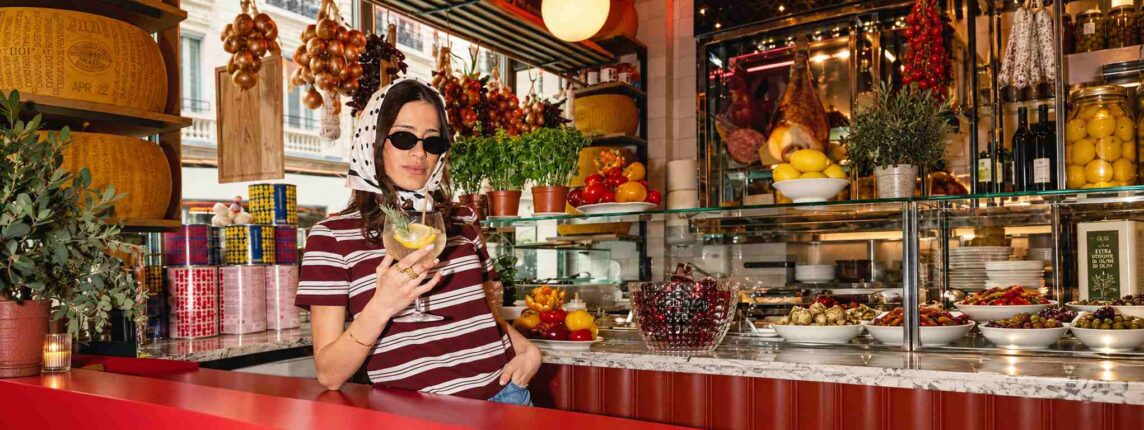
Broth, aperitivo, primi, cucina povera… An Italian restaurant menu, as welcoming as it may be, can sometimes feel like a mini vocabulary test. At Ma!, a chic Italian broth spot on Boulevard des Italiens, we prefer that each word tells a story rather than intimidates. So here’s a little glossary, designed to help you arrive at the table already feeling a bit like a Roman—or at least well-equipped enough to order without hesitation.
Antipasti
Literally meaning “before the meal,” antipasti are small Italian appetizers shared at the start of a meal: cold cuts, cheeses, marinated vegetables, or fried bites. At Ma!, the salumi and formaggio display cases are a perfect example of this.
Aperitivo
The aperitivo is that social and ritualistic moment that precedes dinner in Italy, featuring a refreshing drink and a few bites to share. It’s never just a quick aperitif wrapped up in ten minutes—it’s an experience in its own right. In fact, we’ve dedicated an entire article to it: The Italian Aperitivo—How to Do It Right.
Bouillon
The word “bouillon” originally referred to a type of popular Parisian restaurant that emerged in the 19th century: large, lively dining rooms, fast service, hearty meals, and prices accessible to everyone. Ma! embraces this same spirit but reinterprets it in an Italian style, featuring large communal tables and fresh pasta. That’s the focus of our in-depth article: what is an Italian bouillon?
Caffetteria
The menu of Italian-style coffees: espresso, ristretto, macchiato, cappuccino… Each name corresponds to a specific ratio of espresso to milk—a distinction that Italians take very seriously.
Contorni
Contorni are the side dishes that complement meat or fish dishes in a traditional Italian meal. Grilled vegetables, roasted potatoes, salad… They’re chosen based on what you’re in the mood for and are often ordered separately. This lets you put together your plate just the way you like it, without letting the secondo take center stage all by itself.
Cucina povera
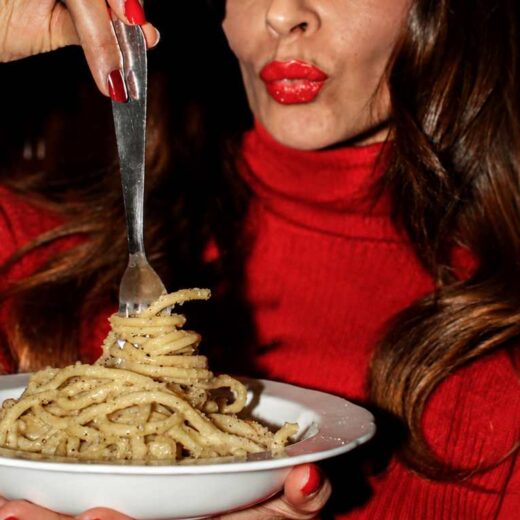
Literally “poor cuisine,” cucina povera refers to traditional Italian home cooking born out of necessity: few ingredients, often sourced from the garden or farm, ingeniously transformed to feed an entire family. Cacio e Pepe is a classic example of this; we discuss it in detail in our article on this iconic Roman dish.
Dolci
The Italian word for “sweet treats,” which encompasses all kinds of desserts: tiramisu, chocolate mousse, lemon meringue pie… All these specialties can be found on our Pasticceria menu, “I dolci della casa.”
Gelateria
A spot (or menu) dedicated to artisanal Italian gelato and sorbets, made using traditional methods—often richer and less airy than mass-produced ice cream. At Ma!, the Gelateria offers classics like Affogato and Coppa Fragola.
Large dinner table
An expression that refers to a welcoming table, designed to accommodate many guests sharing a meal together—a core principle at Ma!, where birthday celebrations and dinners with friends naturally take center stage, as detailed in our article on restaurants for birthdays in the 9th arrondissement.
Fabbrica della pasta
Literally “the pasta factory,” this term refers to the workshop where fresh, homemade pasta is made—a core skill in authentic Italian cuisine. We discuss this in more detail in our article on the Ma! concept.
Fatto in casa
Literally “homemade,” the expression “fatto in casa” refers to dishes prepared on the spot. These few words evoke the act of cooking, time spent in the kitchen, and the joy of preparing what you serve at the table yourself. Keep this in mind for your next meal: “casa” means “home,” and that matters on your plate, too.
Negroni
This Turin-style cocktail is made with equal parts gin, red vermouth, and Campari. Stronger and more bitter than a spritz, it’s the drink of choice for those who prefer an aperitivo with character.
Pasticceria
“Pasticceria” refers to Italian pastries: it encompasses both the craftsmanship and the shop where you go to choose your treats. At Ma!, the word signals the sweet section of the menu, under the heading “I dolci della casa”—the house desserts. In other words, it’s that moment when you still find a little room left, even after pasta.
Primi
The “first course” in a traditional Italian meal, typically consisting of pasta, rice, or soup. This category includes dishes such as spaghetti cacio e pepe, paccheri alla genovese, and spaghetti al limone.
Price of broth
A phrase unique to Ma! that encapsulates the brand’s entire philosophy: offering an elegant, indulgent, and generous experience at prices accessible to everyone. It appears on both the restaurant menu and the Ma! Boutique menu—as seen with the Vaffanculo x Mimaa swimsuit, sold for the price of a meal for two.
Secondi
The “main course,” which follows the primi, consists of meat or fish and is often served with vegetables. At Ma!, the Milanese-style chicken cutlet and the ribeye tagliata are good examples.
Spritz
The Spritz is a cocktail that originated in northern Italy, made with sparkling wine, bitter liqueur, and sparkling water. Now the quintessential symbol of the aperitivo, it comes in dozens of variations today. At Ma!, the “Ma Spritz’s!” menu offers more than a dozen variations, from the Classic Spritz to the Rosa Passion Spritz.
Trattoria
In Italia, una trattoria è un locale più semplice e dall’atmosfera più familiare rispetto a un ristorante tradizionale — spesso gestito dalla stessa famiglia da generazioni — con un menù ridotto ma accogliente. È proprio questo calore, senza la formalità di un ristorante troppo formale, che Ma! cerca di ricreare nel cuore di Parigi.
Ora che avete imparato il vocabolario, non vi resta che passare alla pratica e mettere alla prova ogni parola direttamente nel piatto (o nel bicchiere).
Perché questo vocabolario è importante, anche solo per una semplice cena?
Comprendere questi pochi termini non serve solo a fare bella figura a tavola: permette soprattutto di godersi meglio il pasto, di comporre un menù che rispecchi davvero i desideri del momento e di comprendere la logica di un pasto tradizionale italiano, strutturato in più portate piuttosto che incentrato su un unico piatto. È anche un modo per viaggiare un po’, senza allontanarsi dal Boulevard des Italiens.
Domande frequenti sul vocabolario italiano relativo al brodo
È necessario ordinare un antipasto, un primo e un secondo a ogni pasto?
No, non è mai obbligatorio: molti ospiti scelgono semplicemente un unico piatto oppure condividono alcuni antipasti come pasto completo.
Qual è la differenza tra un negroni e uno spritz?
Il Negroni ha una gradazione alcolica più elevata ed è più amaro, mentre lo spritz, allungato con vino frizzante e acqua gassata, rimane più leggero in termini di gradazione alcolica durante l’aperitivo.
La parola «bouillon» ha qualcosa a che fare conil brodo da cucina?
In origine sì, il termine deriva effettivamente dalla ristorazione popolare parigina del XIX secolo, ma oggi indica un tipo di ristorante piuttosto che un piatto specifico.